
Be The
difference.
Severe bleeding can take a life in as little as five minutes — far faster than help can arrive. This 90-minute, hands-on course teaches you the three skills that close that gap: direct pressure, wound packing, and tourniquet application. No medical background needed — and every student goes home with a fully built-out IFAK. Taught by a US Army veteran and career Firefighter/EMT.
Bystanders Save Lives.
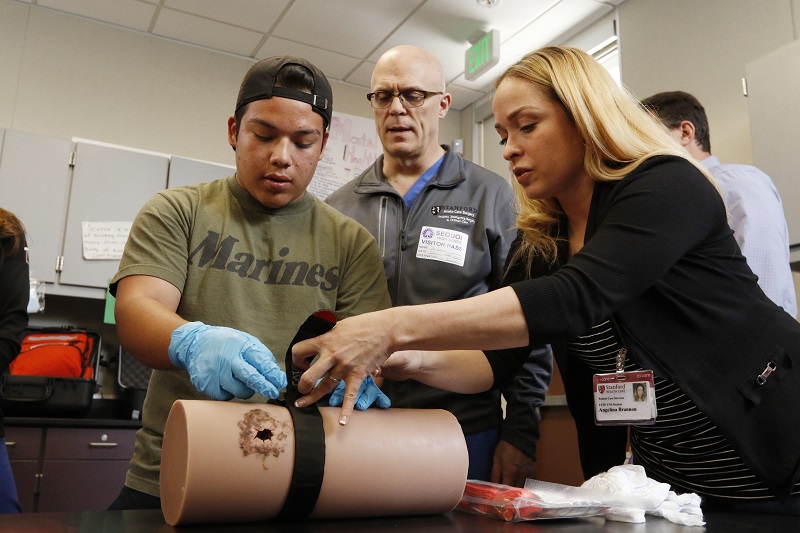
STOP THE BLEED® is the national bleeding-control program developed by the American College of Surgeons from decades of battlefield trauma medicine — adapted so any bystander can save a life before EMS arrives.
The person next to a bleeding victim is the one most likely to save them. Uncontrolled bleeding is the number-one preventable cause of death after injury, and a severe bleed can be fatal in three to five minutes — often faster than an ambulance can reach the scene.
In 90 minutes you'll move from a short briefing straight into hands-on reps: applying direct pressure, packing a wound, and placing a tourniquet under the eye of an instructor who does this for real. Think of it like CPR — a simple, learnable skill that turns a helpless bystander into an immediate responder.
This is a civilian, everyday-readiness course. The same skills that matter in a car crash, a kitchen accident, a job-site injury, or a workplace emergency are the ones you'll walk out owning.
The ABC's Of Bleeding Control.
The whole course is built on one simple, ordered plan you'll remember under stress — A-B-C — followed by hands-on practice of the three techniques until you can do them cold.
Alert — Call 911
- Get professional help en route immediately
- What to report: location, what happened, how many hurt
- Ensure your own safety before you act
- Why the bystander is the first link in survival
Bleeding — Find It
- Recognize life-threatening vs. minor bleeding
- Expose the wound — clothing hides the source
- Spot the signs: spurting, pooling, soaked clothing
- Focus on what will actually take a life
Compress — Stop It
- The decision: which technique fits which wound
- Choosing fast under pressure, not freezing
- Then it's hands-on — the three skills below
- Repeated reps until you can do them cold
Direct Pressure
- Firm, steady, two-handed pressure on the wound
- Using gauze, cloth, or bare hands when that's all you have
- How long to hold before you check
- Pressing into a firm surface for real force
Wound Packing
- Packing a deep wound to the source of the bleed
- Hemostatic and plain gauze technique
- Maintaining pressure after the pack
- Hands-on reps on a training wound
Tourniquet Application
- High and tight — placement above the wound
- The pull-twist-secure sequence on a real tourniquet
- Tightening until the bleeding actually stops
- Marking time and never loosening it
Minutes Count.
Two truths drive this entire course. Internalize them and the urgency of showing up makes itself obvious.
Help Is Minutes Away. Blood Loss Isn't.
A person with a severe bleed can die in three to five minutes. The national average EMS response time is longer than that. The math is unforgiving — which is exactly why the trained bystander, not the ambulance, is often the one who decides whether someone lives.
It's A Skill. Skills Decay.
Tourniquet and packing skills fade with time — studies show proficiency drops within months without practice. That's why this course is hands-on, not a lecture, and why we encourage a refresher every couple of years. Muscle memory, built under an instructor's eye, is what holds up under stress.
This Course Is For Everyone.
No medical training, no physical prerequisites, no experience required. If you're old enough to understand the material, you're old enough to save a life.
You Want To Be Ready.
- You're a parent, teacher, coach, or anyone responsible for others
- You work where injuries happen — trades, shops, kitchens, ranges, job sites
- You spend time outdoors, hunting, or away from quick EMS access
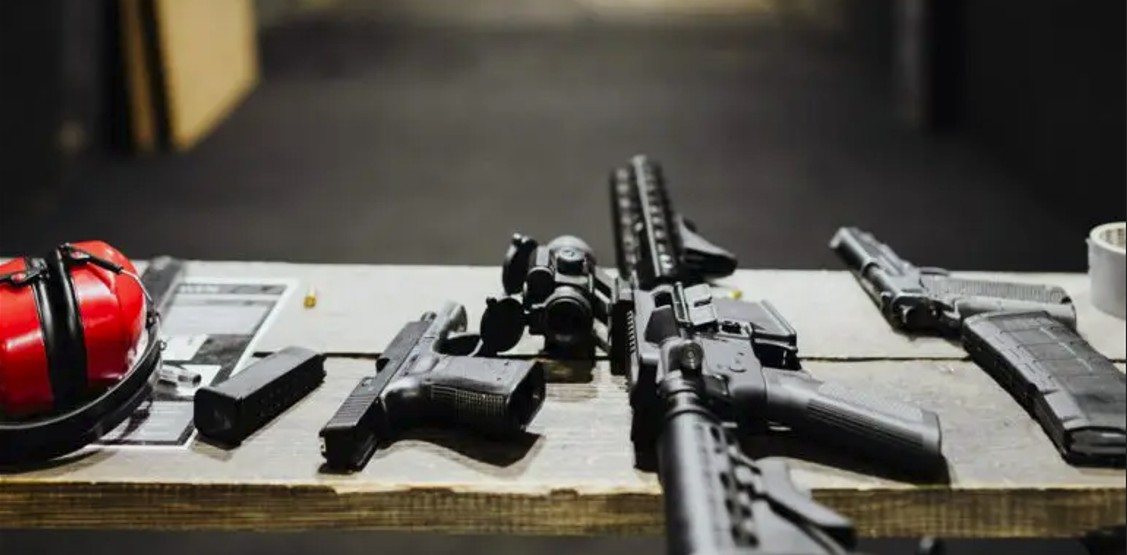
- You carry a firearm and want the other half of readiness — saving life, not just stopping a threat
- You've built a home or vehicle trauma kit and want to know how to actually use it
A Few Honest Notes.
- This is a bleeding-control course — it is not a full first-aid or CPR certification
- It does not replace professional medical care; it bridges the gap until EMS arrives
- Minors are welcome with a parent or guardian and instructor approval
- Looking for CPR or active-shooter response? Ask — those are offered separately
- Group, workplace, and private sessions can be arranged on request
How It Works.
Four steps from booking to a certificate in hand. The whole thing fits in a lunch break.
Reserve
Book your seat below. No prep, no prerequisites — just show up ready to learn and get your hands dirty on the training gear.
Learn
A short, focused briefing covers the ABCs of bleeding control and when each technique applies. No fluff — the lecture is brief by design.
Practice
The core of the course. You'll apply pressure, pack wounds, and run tourniquets on training aids until the instructor confirms you've got it.
Certify
Leave with a STOP THE BLEED® completion certificate, real confidence, and the skills to act when seconds count.
Taught By Matt Christensen.
This isn't a slideshow read off a screen. Your instructor brings real battlefield and emergency-services experience to every rep on the table.
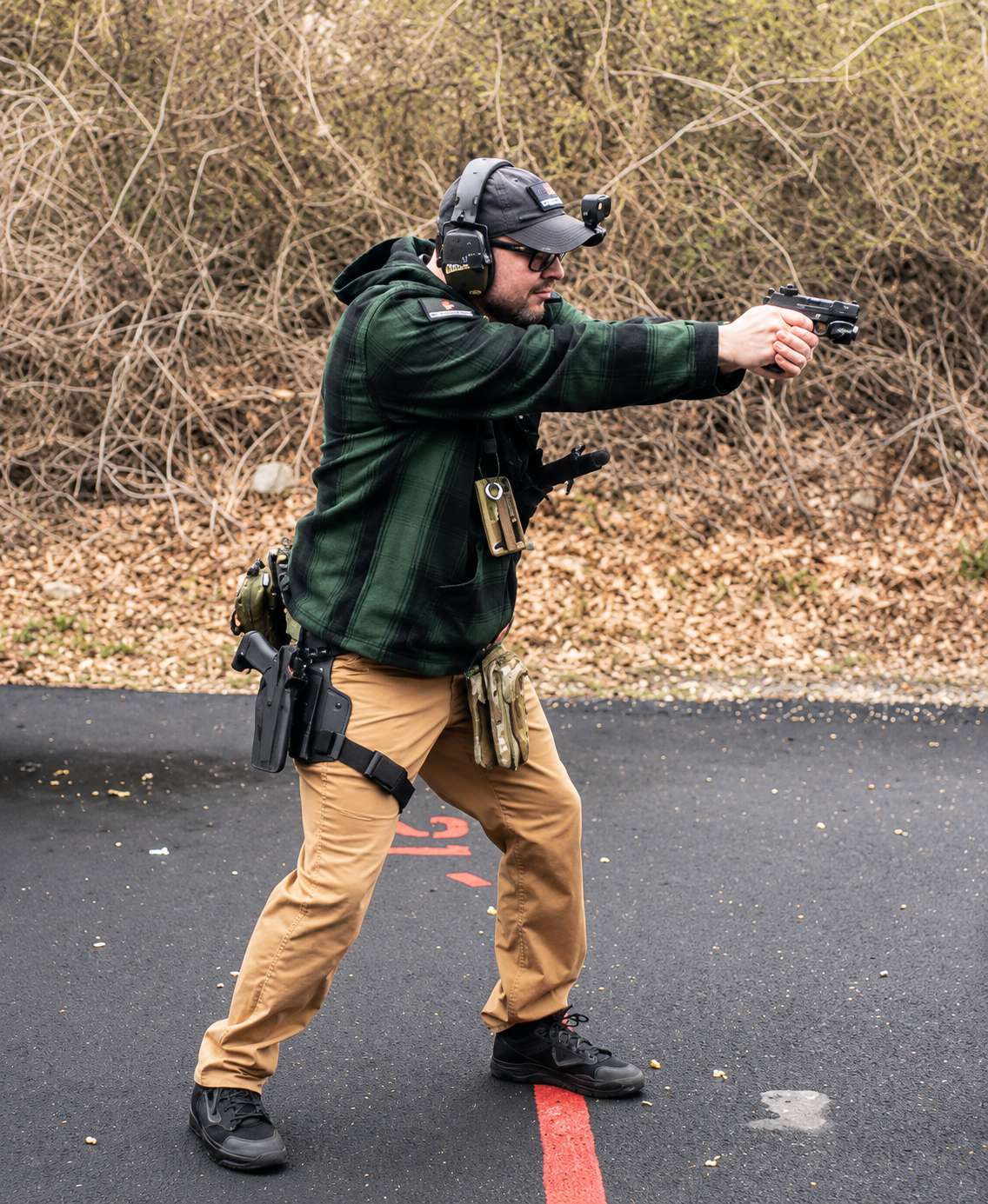
Matt is the co-founder of Calm in Chaos and a career emergency responder. He has spent his life in the space between crisis and calm — on the battlefield, on the fire ground, and in the back of an ambulance — and he teaches bleeding control the way it's actually used, not the way it reads in a manual.
- Firefighter / EMT
- Certified STOP THE BLEED® & Active Shooter Response Instructor
- US Army Veteran
Walk Out With A Real IFAK.
Training is only half of readiness — the other half is having the gear when it counts. Every student leaves with a fully built-out Individual First Aid Kit (IFAK) of the exact tools you trained on, so the skills and the equipment go home together.
In Your Kit
- NAR Tourniquet — the gold-standard commercial tourniquet for life-threatening limb bleeding
- Combat Gauze — hemostatic gauze that accelerates clotting in deep wounds
- HyFin Vent Chest Seal — for penetrating chest trauma
- Emergency Trauma Dressing — pressure dressing for major bleeds
- Wound Packing Gauze — for packing deep wounds to the source
- NAR Trauma Shears — to rapidly expose a wound through clothing
- Survival Blanket — to manage shock and retain body heat
- Sharpie & Latex Gloves — to mark tourniquet time and protect yourself
Just Bring Yourself
- Clothing you don't mind kneeling and working on the floor in
- An open mind and a willingness to get hands-on
- Questions — about kits, gear, or building your own readiness
- A parent or guardian, if the student is a minor
- Nothing else — all training equipment and your take-home kit are provided
One Price. Everything In.
No hidden fees, no equipment to buy separately. One price covers the full course, all gear, your certificate — and an IFAK you take home.
Stop The Bleed + Take-Home IFAK
The complete package: the certified 90-minute STOP THE BLEED® course, hands-on reps on real gear, your completion certificate, and the full take-home IFAK detailed above — yours to keep.
Book Stop The Bleed.
Pick a date below, or reach out to arrange a private, workplace, or group session. The skill you learn here is one you hope to never use — and will be grateful to have.
Build The Full Picture.
Bleeding control is one piece of being your own first responder. Matt and the Calm in Chaos team also teach CPR, Active Shooter Response, and emergency-preparedness planning. Want to combine STOP THE BLEED with one of our firearms or defensive courses for a complete readiness day? Text 781-402-4650 and we'll build it. No upsell, no pressure.
SUN: BY APPT.
MON-TUES: 12PM - 6PM
WED-FRI: 10AM - 6PM
SAT: 10AM - 3PM